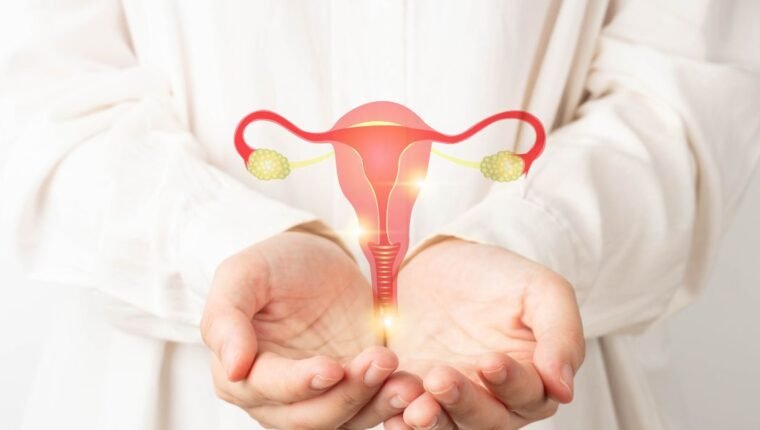
A cycle that shows up whenever it feels like it — sometimes early, sometimes weeks late — is more common than most conversations around it suggest. While irregular periods home remedies can genuinely help mild cases tied to lifestyle factors, it’s worth understanding what’s actually happening first.
Common Causes Behind Irregular Cycles
Stress, sudden weight changes, excessive exercise, thyroid issues, and PCOS are among the most frequent causes. Identifying the likely cause helps determine which remedies are actually worth trying.
Quick answer: Irregular periods most commonly result from stress, significant weight fluctuation, thyroid dysfunction, or PCOS — identifying the underlying cause matters more than applying generic remedies without understanding why cycles are off.
Managing Stress Levels
Chronic stress elevates cortisol, which can directly disrupt the hormonal signals controlling ovulation and menstruation. This is genuinely one of the most underestimated causes, especially during particularly demanding life phases.
- Regular sleep schedule to regulate cortisol
- Daily short walks or light exercise, not intense training
- Journaling or meditation for 5-10 minutes daily
Maintaining a Stable, Healthy Weight
Both being significantly underweight and overweight can disrupt menstrual regularity through their effects on hormone production. Gradual, sustainable weight changes tend to support more regular cycles than rapid ones.
Cinnamon and Blood Sugar Regulation
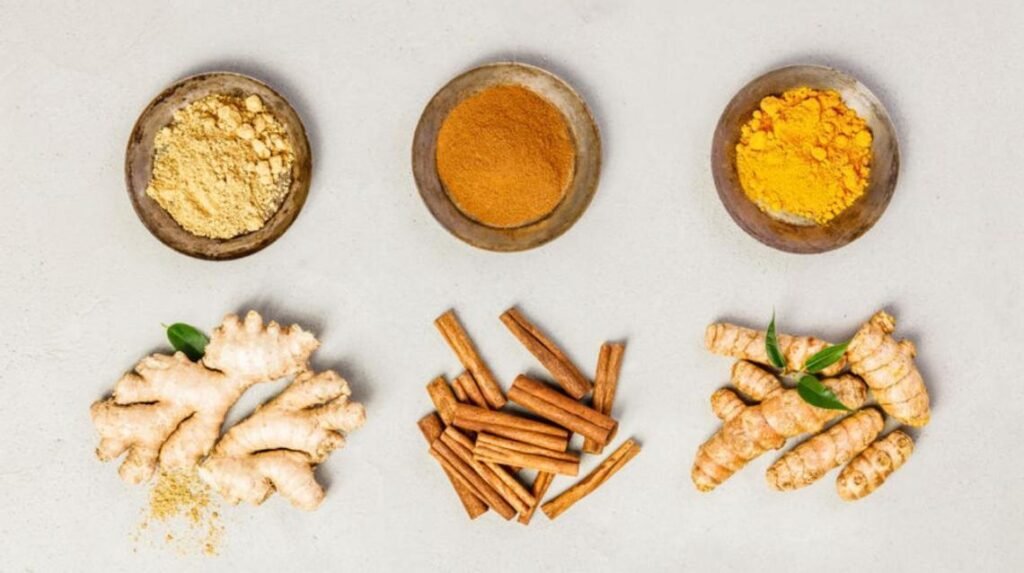
Some research suggests cinnamon may help regulate insulin sensitivity, which can indirectly support more regular cycles, particularly in women with PCOS-related irregularity.
Quick answer: Cinnamon may support insulin sensitivity, which can help regulate cycles indirectly in women with insulin-resistance-related irregularity, though it works best as a supportive habit alongside broader lifestyle changes, not a standalone fix.
Reducing Excessive Exercise
Ironically, over-exercising — particularly intense endurance training — can suppress reproductive hormones and cause irregular or missed periods, a pattern more common among competitive athletes than casual gym-goers.
Getting Enough Vitamin D
Vitamin D deficiency has been linked in some research to menstrual irregularity, and given how common deficiency is even in sunny climates like India, it’s worth checking levels if cycles have been consistently off.
Ginger and Turmeric for Mild Support
Both have traditional use for menstrual regularity, with turmeric’s anti-inflammatory properties potentially offering mild hormonal support, though evidence remains more traditional than strongly clinical.
Tracking Your Cycle Consistently
Using a simple period tracking app or calendar helps you notice actual patterns rather than relying on memory — genuinely useful information to bring to a doctor if irregularity continues. [link to related guide on PCOS symptoms here]
When Home Remedies Aren’t Enough
If periods are absent for more than three months, extremely painful, or accompanied by other symptoms like excessive hair growth or significant weight changes, that’s beyond home management and needs a proper medical evaluation.
FAQs
Q1: How irregular is “too irregular” to be normal? Cycles varying by more than 7-9 days month to month, or being absent for 3+ months, warrant a medical evaluation.
Q2: Can stress alone cause missed periods? Yes, significant or chronic stress can delay or even completely suppress ovulation temporarily.
Q3: Do home remedies work for PCOS-related irregularity? They can help support regularity somewhat, but PCOS typically also needs proper medical management alongside lifestyle changes.
Q4: Is it normal for cycle length to change with age? Yes, cycles often shift slightly in the years approaching perimenopause, which is a separate consideration from other causes of irregularity.
Q5: Can excessive exercise really stop periods? Yes, particularly intense endurance training combined with low body fat can suppress the hormones needed for regular ovulation.
Q6: Should I take supplements for irregular periods without a doctor’s advice? It’s best to get relevant deficiencies (like Vitamin D or thyroid levels) checked first rather than self-prescribing supplements.
Conclusion
Irregular periods home remedies — from stress management to maintaining a healthy weight — can genuinely help when the cause is lifestyle-related. But persistent, significant irregularity deserves proper medical attention rather than months of home experimentation. Track your cycle, try the sustainable changes, and don’t hesitate to see a gynecologist if things don’t improve.