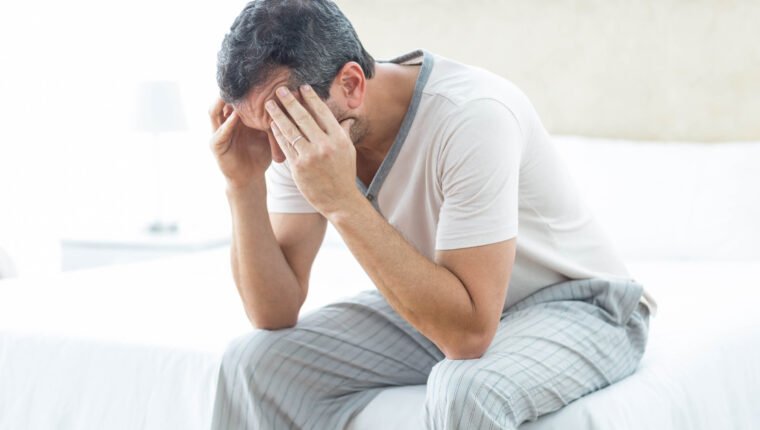
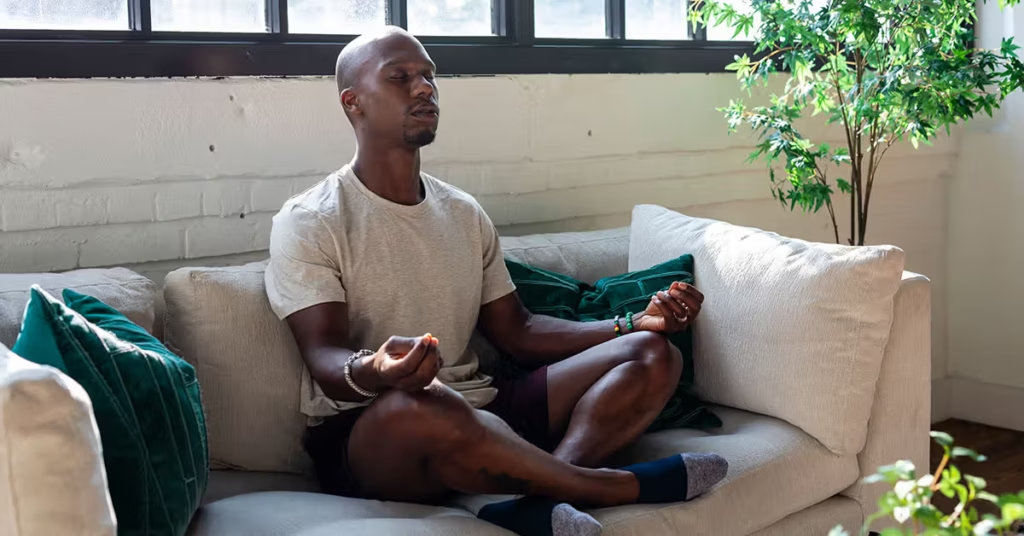
That tight feeling in your chest before a big day, the racing thoughts at 2 am — anxiety shows up differently for everyone, but it’s exhausting regardless of the form. Learning how to reduce anxiety naturally through daily habits won’t eliminate it completely for everyone, but it genuinely helps manage it for a lot of people.
Understanding What’s Actually Happening in Your Body
Anxiety triggers your sympathetic nervous system — the same “fight or flight” response meant for real danger. The problem is, this response fires for emails and traffic jams just as intensely as it would for an actual threat.
Quick answer: Anxiety activates the same fight-or-flight response designed for physical danger, releasing cortisol and adrenaline even when the “threat” is just a stressful email or deadline — which is why the physical symptoms feel so real.
Regular Physical Movement
Exercise burns off excess adrenaline and cortisol circulating in your system. It doesn’t need to be intense — even a brisk 20-minute walk measurably reduces anxious feelings for several hours afterward.
Limiting Caffeine, Especially Later in the Day
I learned this one the hard way. Caffeine mimics the physiological symptoms of anxiety — racing heart, jitteriness — and can amplify existing anxious feelings, particularly past noon.
- Try switching your third cup to herbal tea
- Notice if anxiety spikes correlate with caffeine timing
- Reducing gradually works better than quitting abruptly
Practicing Grounding Techniques
The “5-4-3-2-1” method — naming 5 things you see, 4 you can touch, 3 you hear, 2 you smell, 1 you taste — pulls your mind out of spiraling thoughts and back into the present moment.
Quick answer: Grounding techniques like the 5-4-3-2-1 method work by redirecting attention to immediate sensory input, which interrupts the anxious thought spiral that keeps the nervous system activated.
Prioritizing Consistent Sleep
Poor sleep and anxiety feed each other in a frustrating loop — anxiety disrupts sleep, and lack of sleep worsens anxiety the next day. Fixing even one part of this cycle (a consistent bedtime, for instance) helps break it.
Journaling to Externalize Racing Thoughts
Writing down anxious thoughts, even messily, takes them out of the endless mental loop and onto paper where they’re easier to examine rationally.
Reducing Social Media Comparison
Constant exposure to curated versions of other people’s lives quietly fuels anxiety for a lot of people, even when they don’t consciously connect the two. Limiting scroll time, especially before bed, genuinely helps. [link to related guide on digital detox tips here]
Building a Support System
Talking to someone — a friend, family member, or therapist — about what’s actually causing the anxiety often reduces its intensity simply through being voiced out loud.
When Natural Methods Aren’t Enough
If anxiety is significantly interfering with daily functioning, relationships, or work despite consistent lifestyle changes, professional support through therapy or medical treatment is a legitimate and often necessary next step.
FAQs
Q1: Can diet really affect anxiety levels? Yes — blood sugar crashes, excess caffeine, and alcohol can all worsen anxiety symptoms for many people.
Q2: How quickly do natural methods work for anxiety? Some, like grounding techniques, work within minutes; others, like consistent exercise, show cumulative benefits over 2-4 weeks.
Q3: Is anxiety completely curable through natural methods alone? For mild anxiety, often significantly manageable; for moderate to severe anxiety, natural methods usually work best alongside professional treatment.
Q4: Does exercise really help with anxiety as much as people say? Yes, multiple studies show regular moderate exercise can be as effective as medication for mild-to-moderate anxiety in some cases.
Q5: Can lack of sleep alone cause anxiety? Sleep deprivation doesn’t necessarily cause anxiety disorders, but it significantly worsens existing anxious symptoms.
Q6: Should I avoid caffeine completely if I have anxiety? Not necessarily completely, but reducing intake, especially in the afternoon, often helps meaningfully.
Conclusion
Learning how to reduce anxiety naturally isn’t about one dramatic lifestyle overhaul — it’s about small, repeated habits that add up over weeks. Start with just one from this list, maybe the grounding technique or a shorter caffeine window, and build from there. And if it’s not enough on its own, reaching out for professional support is a strength, not a failure.