
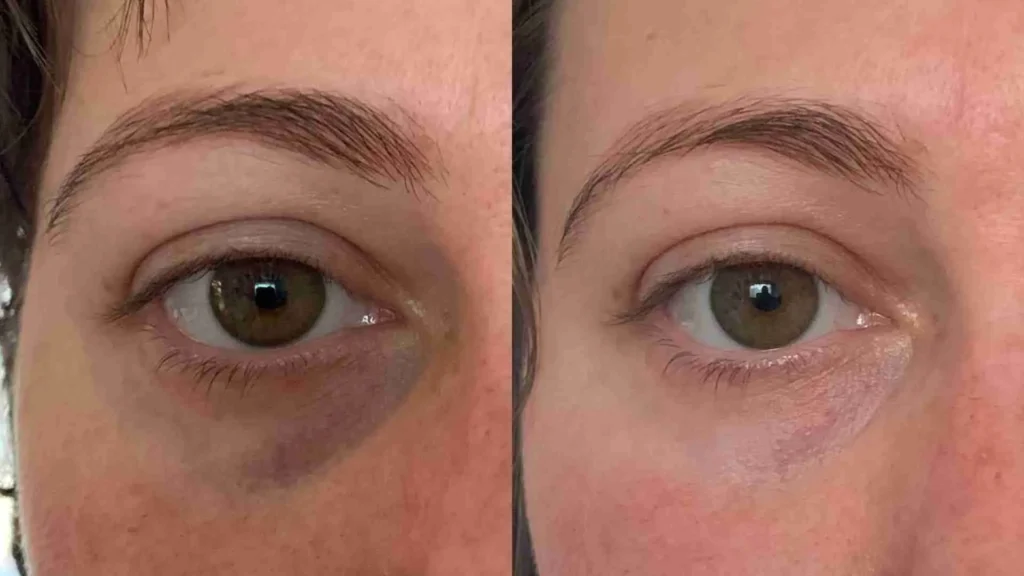
Waking up looking more tired than you actually feel is genuinely frustrating, especially when you did get decent sleep the night before. Learning how to remove dark circles naturally starts with understanding that dark circles aren’t always about sleep — genetics, allergies, and aging all play a role too.
Understanding Why Dark Circles Form
The skin under your eyes is thinner than anywhere else on your face, making underlying blood vessels more visible. Add pigmentation, thinning skin with age, or fluid retention, and circles become more pronounced.
Quick answer: Dark circles often result from thin under-eye skin revealing blood vessels beneath, worsened by genetics, allergies, aging, or fluid retention — not exclusively from lack of sleep, as commonly assumed.
Cold Compress for Immediate Reduction
Applying a cold spoon or chilled cucumber slices constricts blood vessels temporarily, reducing puffiness and the visible darkness that comes with it. It’s a quick fix, not a permanent one, but useful before an important day.
Getting Consistent, Quality Sleep
While not the only cause, poor sleep genuinely worsens existing dark circles by increasing fluid retention and paleness that makes the darker vessels more visible underneath.
- Aim for 7-8 hours consistently, not just on weekends
- Elevate your head slightly to reduce under-eye fluid buildup
- Avoid excess salt and alcohol close to bedtime
Using Vitamin C and Retinol (With Caution)
Topical Vitamin C can help brighten pigmentation over consistent use, while retinol thickens skin over time, making underlying vessels less visible. Introduce these gradually since under-eye skin is sensitive.
Quick answer: Topical Vitamin C brightens pigmentation and retinol gradually thickens thin under-eye skin over 8-12 weeks of consistent use, though both should be introduced slowly due to the sensitivity of this area.
Managing Allergies
Allergic reactions cause blood vessels to dilate and become more visible — often called “allergic shiners.” Identifying and managing your specific allergy triggers can noticeably improve dark circles that don’t respond to typical skincare.
Staying Hydrated
Dehydration makes the skin under your eyes appear more sunken and shadowed. It’s a simple factor, easy to overlook, but genuinely makes a visible difference within a few days of consistent hydration.
Reducing Screen Time and Eye Strain
Constant screen exposure causes eye strain, which can worsen the appearance of dark circles through increased blood flow to the area. Taking regular breaks (the 20-20-20 rule) genuinely helps. [link to related guide on digital eye strain here]
When Dark Circles Might Signal Something Else
Persistent, worsening dark circles alongside other symptoms like fatigue or pallor occasionally point to anemia or thyroid issues — worth a basic blood test if lifestyle changes aren’t helping at all.
Realistic Expectations From Natural Methods
Genetics play a significant role, and natural remedies work best for mild to moderate cases caused by lifestyle factors — deep-set genetic dark circles may need professional treatments for dramatic change.
FAQs
Q1: Can dark circles be completely removed naturally? Mild to moderate cases often improve significantly, but deep, genetic dark circles may need professional treatment for complete removal.
Q2: How long does it take to see improvement with natural remedies? Typically 4-8 weeks of consistent sleep, hydration, and topical treatment before noticeable improvement.
Q3: Do under-eye creams actually work for dark circles? Some ingredients like Vitamin C and caffeine show genuine evidence for reducing pigmentation and puffiness with consistent use.
Q4: Are dark circles hereditary? Yes, genetics significantly influence under-eye skin thickness and pigmentation tendencies.
Q5: Can lack of iron cause dark circles? Yes, iron deficiency anemia can contribute to paler skin that makes underlying vessels more visible.
Q6: Does drinking more water really help with dark circles? It helps with the puffiness and sunken appearance caused by dehydration, though it won’t fix pigmentation-related darkness alone.
Conclusion
Learning how to remove dark circles naturally takes patience and addressing the actual cause — whether that’s sleep, allergies, hydration, or genetics. Combine a few of these methods consistently for a month before expecting real results, and don’t hesitate to check with a doctor if they seem tied to something beyond typical lifestyle factors.