
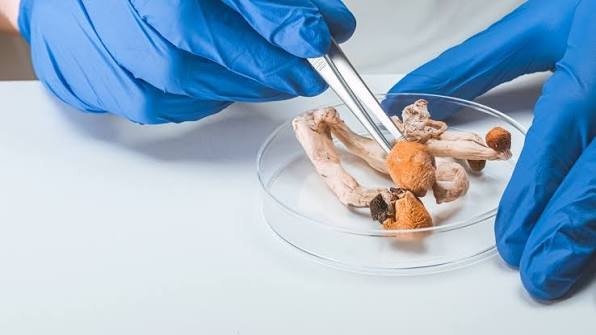
Interest in psychedelic-derived treatments tends to run ahead of the evidence. The more telling stories are the unglamorous ones: safety reviews, dose escalations and regulatory groundwork. Three recent updates show how this area is being built, one careful step at a time.
A safety board says go
Clearmind Medicine’s Phase I/IIa trial of CMND-100 for alcohol use disorder received approval from an independent data safety monitoring board to continue and escalate dosing. The decision followed completion of the second cohort, which reported no serious adverse events and favorable tolerability.
Such boards review the data independently of the sponsor, so their sign-off carries weight. It allows testing at a higher dose, which is the next stage in learning whether this psychedelic-derived compound can help with alcohol dependence and related behavioral health conditions. The full report on Clearmind’s safety board approval explains the cohort results.
Trauma research with first responders
PharmAla has signed an agreement to support a clinical trial of MDMA-assisted therapy for PTSD in first responders. Emergency personnel and healthcare workers face repeated traumatic events across their careers, which makes PTSD a pressing concern in these jobs. The trials aim to find out whether MDMA-supported psychotherapy can reduce severe symptoms and improve long-term psychological outcomes.
To be clear, the PharmAla agreement is a partnership that lets work begin. It is not a results announcement.
A clearer route for addiction studies
Adial has welcomed a new path for substance use disorder trials. These disorders remain a global public health challenge with significant unmet treatment needs, and the new route is intended to improve study design, strengthen participant engagement and speed up evidence generation. Regulatory clarity may sound dull, yet it often decides whether sponsors take on a hard indication at all.
Reading the signals fairly
None of these updates proves efficacy. A clean dose-escalation review means a compound can move to the next dose, not that it treats alcohol use disorder. An agreement for a PTSD trial means the study can start. A better regulatory pathway means future trials may be easier to run. Each is a step, and the useful follow-up question is always what the next step will measure.
Why oversight matters here
Psychedelic-derived compounds draw intense public curiosity, and that attention raises the bar for transparency. Independent safety review, clearly defined cohorts and well-described dosing steps help separate careful clinical work from marketing. Readers can do their part by checking whether a claim comes from a trial result, a safety review or a business agreement.
Conclusion
Psychedelic-derived medicine is gaining credibility through process, not hype. Independent safety oversight, targeted populations and clearer pathways are what turn an intriguing idea into something regulators and clinicians can evaluate.