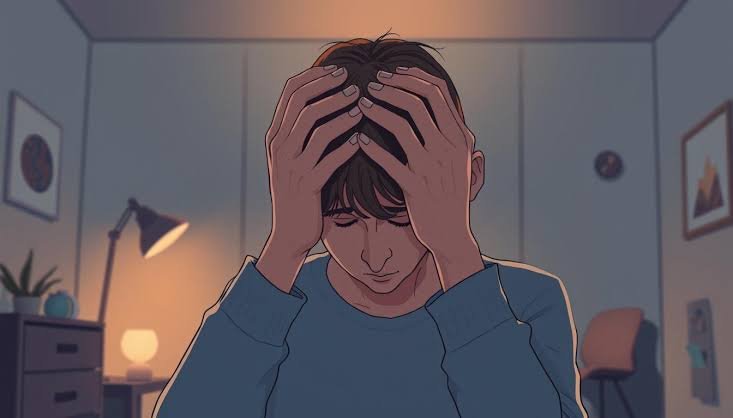
Ever felt unusually tired for weeks and just brushed it off as “busy schedule”? Most of us do. But your body rarely stays quiet when something’s wrong — it drops hints. Recognizing the early warning signs of health problems early can genuinely be the difference between a quick fix and a long hospital stay.
I’ve seen this happen with my own uncle. He kept saying his constant thirst was “just the Jaipur heat.” Turned out it was early-stage diabetes. That one conversation with a doctor, three months earlier than he’d planned, saved him a lot of trouble.
Unexplained Fatigue That Doesn’t Go Away
If you’re sleeping 7-8 hours and still feel drained by 11 am, that’s not normal laziness. Persistent fatigue is one of the most common early warning signs of health problems — often linked to thyroid issues, anemia, or even early heart conditions.
Quick answer: Fatigue lasting more than two weeks despite proper sleep and diet usually points to an underlying issue like anemia, thyroid imbalance, or vitamin D deficiency, and deserves a basic blood test.
Sudden or Unexplained Weight Changes
Losing or gaining 5+ kg without trying? That’s worth a conversation with your doctor, not a shrug.
- Losing weight fast without dieting can indicate hyperthyroidism or, in rarer cases, something more serious
- Gaining weight suddenly can hint at hormonal shifts, especially in women with PCOS
- Both deserve blood work, not guesswork
Persistent Digestive Issues
Bloating after every meal. Acidity that won’t quit. A stomach that’s “just sensitive” for six months straight. None of that is actually normal — it’s your gut trying to flag something.
Skin Changes You Can’t Explain
New moles, patches that darken, or skin that suddenly itches without a rash — dermatologists take these seriously for a reason. I’m not saying panic over every freckle, but a mole that changes shape or color genuinely needs a look.
Shortness of Breath During Routine Activities
Climbing one flight of stairs shouldn’t leave you gasping. If it does now, and didn’t six months ago, that’s your cardiovascular or respiratory system waving a flag.
Quick answer: Breathlessness during normal daily activities — not intense exercise — is one of the clearest early warning signs of health problems related to the heart or lungs and should never be ignored past a week or two.
Frequent Headaches or Vision Changes
Occasional headaches, sure, everyone gets those. But a new pattern of frequent, intense headaches paired with blurry vision could point to blood pressure issues.
Changes in Bathroom Habits
Nobody loves talking about this, but changes in urination frequency, color, or bowel habits lasting more than two weeks are a legitimate reason to get checked, not something to Google at 2 am and forget about.
Numbness or Tingling in Hands and Feet
This one’s sneaky. Many people write it off as “sitting wrong.” But recurring numbness can be an early nerve-related symptom, sometimes tied to diabetes.
Mood and Sleep Disruptions
Constant irritability, disrupted sleep, or a low mood that lingers for weeks isn’t “just stress” every time — it can be linked to hormonal or thyroid imbalances too.
Family History You’re Ignoring
If heart disease or diabetes runs in your family, some of these signs deserve extra attention from you specifically. [link to related guide on family health history and prevention here]
FAQs
Q1: How do I know if fatigue is serious? If it lasts more than two weeks despite good sleep, hydration, and diet, get a basic blood panel done.
Q2: Can stress cause physical symptoms? Yes, definitely — but stress-related symptoms usually ease once the stressor is removed. If they persist, it’s worth ruling out other causes.
Q3: At what age should I start regular health checkups? Ideally by your late 20s, and definitely by 30, especially with any family history of chronic illness.
Q4: Is weight loss always a bad sign? Not always — but unintentional weight loss of more than 5% of body weight in six months should be checked.
Q5: Should I worry about occasional headaches? Occasional ones, no. Frequent, new, or unusually intense headaches, yes.
Q6: Can these symptoms mean nothing serious? Often, yes — many turn out to be minor. But the only way to know is a checkup, not assumption.
Conclusion
Your body’s early warning signs of health problems are rarely dramatic — they’re quiet, easy to dismiss, and easy to explain away. That’s exactly why they get ignored so often. Next time something feels “off” for more than two weeks, don’t Google it at midnight and move on. Book that appointment. It’s cheaper, faster, and far less stressful than dealing with the same issue six months down the line.