
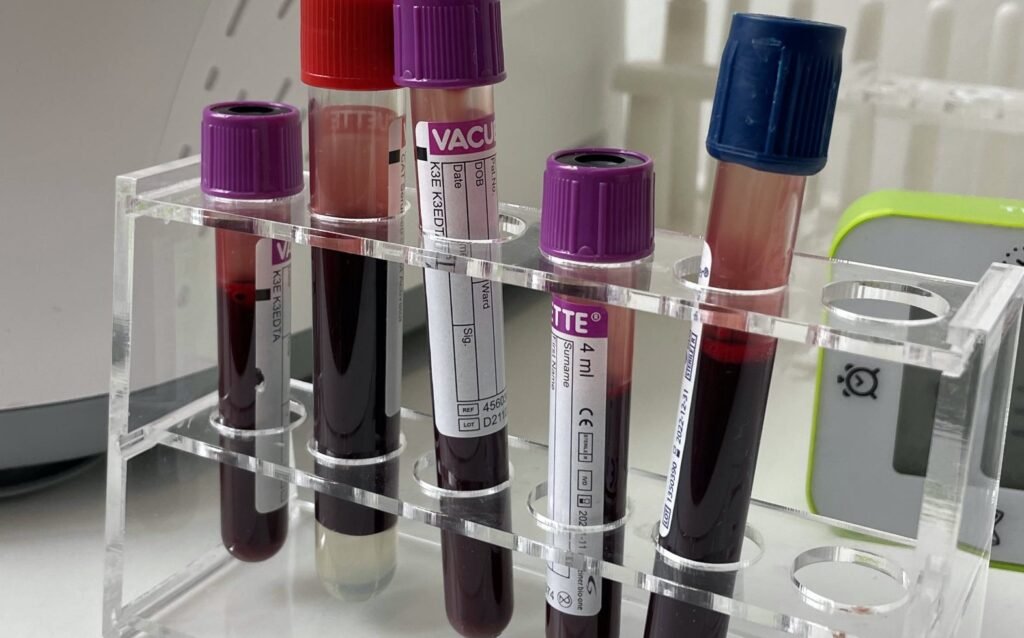
You’ve just picked up your lab report, and it’s a wall of numbers, abbreviations, and arrows pointing up or down. Sound familiar? Most people nod along when the doctor explains it, then forget everything the moment they walk out. Learning how to read blood test results yourself doesn’t replace your doctor, but it does make those conversations a lot less intimidating.
Understanding the Complete Blood Count (CBC)
The CBC is usually the first section, and it covers red blood cells, white blood cells, and platelets.
Quick answer: A CBC measures red blood cells (oxygen transport), white blood cells (infection fighting), and platelets (clotting) — low or high values outside the reference range usually flag infection, anemia, or clotting issues.
Hemoglobin Levels and What They Mean
Hemoglobin below the normal range (roughly 13-17 g/dL for men, 12-15 g/dL for women) often points toward anemia. I always tell friends: if this number’s low and you’ve been feeling constantly tired, that’s probably connected.
Blood Sugar: Fasting vs Post-Meal
- Fasting glucose under 100 mg/dL is generally considered normal
- 100-125 mg/dL suggests prediabetes
- Above 126 mg/dL on two separate tests usually indicates diabetes
These numbers aren’t just for people already diagnosed — everyone over 30 should know where they stand.
Cholesterol Panel Explained
Total cholesterol, LDL (“bad”), HDL (“good”), and triglycerides all show up here. A high LDL paired with low HDL is the combination doctors actually worry about, not just one number in isolation.
Quick answer: LDL cholesterol above 130 mg/dL combined with HDL below 40 mg/dL significantly raises cardiovascular risk, even if your total cholesterol number looks “acceptable” on its own.
Liver Function Tests (LFT)
ALT and AST are the two numbers most people ask about. Elevated levels can indicate anything from fatty liver to medication side effects — this is one area where context matters a lot, so don’t panic over a single mildly elevated number.
Kidney Function (Creatinine and Urea)
These numbers reflect how well your kidneys filter waste. Slightly elevated creatinine after intense workouts or dehydration isn’t automatically alarming — but persistently high levels need follow-up.
Thyroid Panel (TSH, T3, T4)
TSH is usually the first number checked. A high TSH often means an underactive thyroid (hypothyroidism), while low TSH can suggest an overactive one. This single test explains a surprising number of “unexplained fatigue” cases I’ve heard about from friends.
Vitamin D and B12 Levels
Not part of every standard panel, but worth requesting specifically — especially in India, where Vitamin D deficiency is remarkably common despite all our sunshine. [link to related guide on vitamin deficiencies here]
When to Actually Worry About a Result
One slightly out-of-range number rarely means disaster. Doctors look at patterns across multiple values and your symptoms together — not one row in isolation.
FAQs
Q1: What does it mean if my results have an arrow next to them? It usually just flags that the value is outside the standard reference range — not automatically a diagnosis.
Q2: Should I fast before every blood test? Not for every test, but fasting glucose and lipid panels usually require 8-12 hours of fasting for accuracy.
Q3: How often should I get a full blood panel done? Once a year for most healthy adults; more often if you have an existing condition or family history.
Q4: Can medication affect my blood test results? Yes, several common medications can shift liver enzymes, blood sugar, or cholesterol readings — always mention your medications to your doctor.
Q5: Is a slightly high cholesterol number dangerous? Slightly elevated on its own, usually not urgent — but combined with other risk factors it matters more.
Q6: Why do reference ranges differ between labs? Different labs use different equipment and methods, so always compare your result to the range printed on that specific report.
Conclusion
Learning how to read blood test results turns a confusing report into useful information you actually understand. It won’t replace a proper medical consultation, and it shouldn’t — but it does mean you walk into that appointment with better questions. Next time your report lands in your inbox, take five minutes with this guide before you call the clinic in a panic.