It took years for a lot of women to get a proper diagnosis, simply because the early signs seemed unrelated or were dismissed as “normal.” Recognizing PCOS symptoms early can genuinely change how manageable the condition becomes long-term.
What PCOS Actually Is
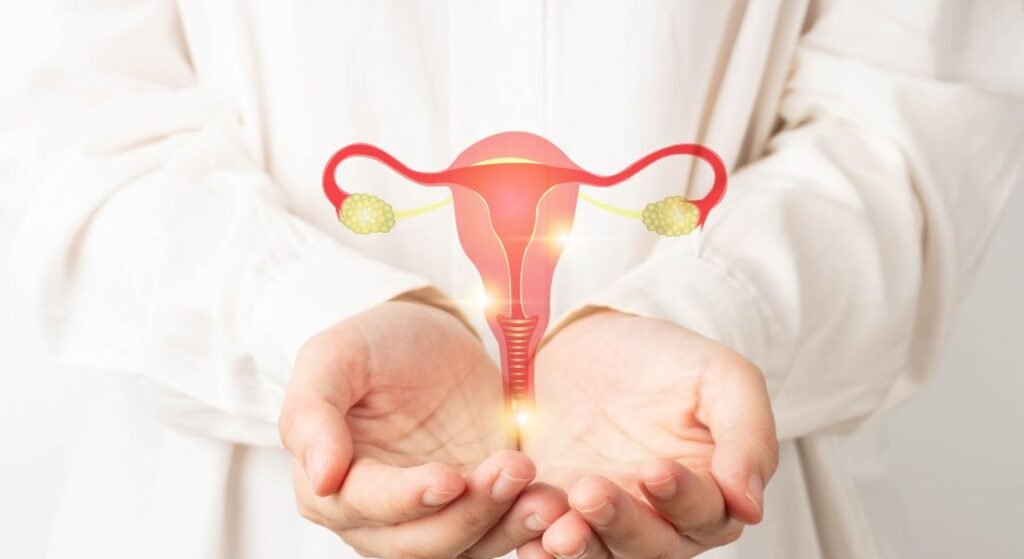
Polycystic Ovary Syndrome is a hormonal condition affecting how the ovaries function, often involving elevated androgen levels and insulin resistance — it’s more common than most people realize, affecting roughly 1 in 10 women of reproductive age.
Quick answer: PCOS (Polycystic Ovary Syndrome) is a hormonal disorder affecting ovarian function, characterized by irregular periods, elevated androgens, and often insulin resistance, affecting approximately 8-13% of women of reproductive age globally.
Irregular or Absent Periods
This is usually the first sign women notice — cycles that are unpredictable, unusually long, or sometimes absent for months at a time.
Excess Hair Growth (Hirsutism)
Increased hair growth on the face, chest, or back, caused by elevated androgen (male hormone) levels, is a common but often embarrassing symptom that many women don’t initially connect to a hormonal cause.
- Facial hair along the jawline or upper lip
- Hair growth on the chest or lower abdomen
- Often accompanied by thinning hair on the scalp
Acne and Oily Skin
Persistent adult acne, particularly along the jawline and chin, often ties back to the same androgen imbalance driving other PCOS symptoms — not just “stress breakouts” as many initially assume.
Weight Gain, Particularly Around the Abdomen
Insulin resistance, common in PCOS, makes weight gain easier and weight loss significantly harder compared to women without the condition — a frustrating cycle that often worsens other symptoms too.
Quick answer: Insulin resistance in PCOS makes the body less responsive to insulin, promoting fat storage particularly around the abdomen and making weight loss considerably more difficult even with standard diet and exercise approaches.
Difficulty Getting Pregnant
Irregular or absent ovulation directly affects fertility, making PCOS one of the leading causes of difficulty conceiving — though it’s important to know that pregnancy is still very much possible with proper management.
Skin Darkening (Acanthosis Nigricans)
Dark, velvety patches of skin, often around the neck or underarms, can indicate insulin resistance associated with PCOS — a lesser-known but genuinely useful visual clue.
Mood Changes and Mental Health Impact
Hormonal fluctuations combined with the frustration of managing visible symptoms like acne and hair growth often contribute to anxiety and low mood in women with PCOS — an aspect that deserves more attention than it typically gets. [link to related guide on managing anxiety naturally here]
Getting a Proper Diagnosis
PCOS diagnosis typically involves a combination of symptom history, blood tests for hormone levels, and sometimes an ultrasound — no single test confirms it alone, which is part of why diagnosis can take time.
FAQs
Q1: Can PCOS be cured completely? There’s no complete cure, but symptoms can be very effectively managed through lifestyle changes, medication, and monitoring.
Q2: Does PCOS always cause weight gain? Not always — some women with PCOS maintain a typical weight, though insulin resistance does make weight management harder for many.
Q3: Can women with PCOS still get pregnant? Yes, many women with PCOS conceive successfully, sometimes with medical support like ovulation induction if needed.
Q4: Is PCOS the same as PCOD? They’re related but distinct — PCOD is generally considered milder and more manageable through lifestyle changes, while PCOS is a more complex hormonal and metabolic disorder.
Q5: Can diet alone manage PCOS symptoms? Diet plays a significant role, especially for insulin resistance, but many women also need medical management alongside lifestyle changes.
Q6: At what age does PCOS typically appear? It’s usually diagnosed during the reproductive years, often first noticed in the late teens to late 20s.
Conclusion
Recognizing PCOS symptoms early — irregular periods, excess hair growth, acne, and weight changes among them — makes a real difference in how effectively the condition can be managed. If several of these sound familiar, a conversation with a gynecologist is a reasonable next step, not something to keep putting off.