
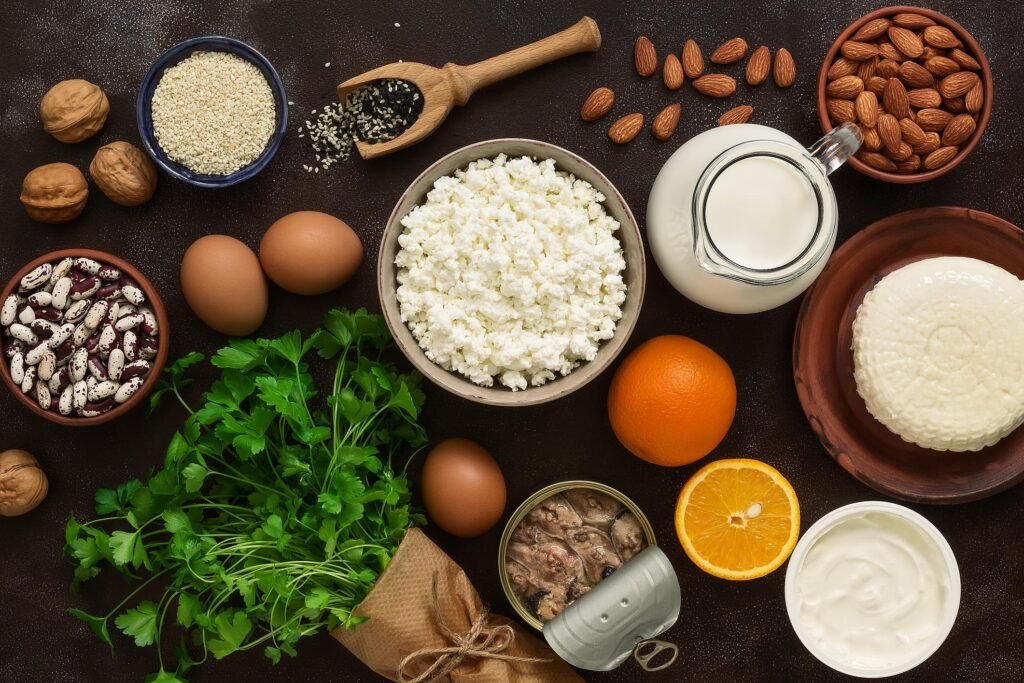
Bone density naturally declines with age, which is exactly why the right foods for bone health seniors consume regularly matter more with each passing decade, not less. The good news is that many of these options are simple, familiar, and easy to include daily.
Why Bone Health Becomes More Critical With Age
After around age 30, bone density gradually decreases, and this process accelerates further after menopause in women due to hormonal changes. Combined with increased fall risk, weaker bones mean a much higher chance of serious fracture.
Quick answer: Bone density naturally declines after age 30, accelerating further after menopause due to reduced estrogen, making consistent calcium and Vitamin D intake increasingly important with each decade for reducing fracture risk.
Dairy Products for Calcium
Milk, curd, and paneer remain some of the most accessible calcium sources in Indian diets, providing both calcium and protein important for maintaining bone and muscle strength together.
- A glass of milk provides roughly 300mg of calcium
- Curd supports both calcium intake and gut health
- Paneer combines calcium with protein for muscle support
Leafy Greens Rich in Calcium
Ragi (finger millet), methi, and spinach all provide meaningful calcium alongside other nutrients — ragi specifically is notably calcium-dense and commonly used in traditional Indian diets for exactly this reason.
Getting Adequate Vitamin D
Calcium absorption depends heavily on adequate Vitamin D, which is why deficiency in one often undermines efforts with the other. Sensible sun exposure and Vitamin D-fortified foods both help address this.
Quick answer: Vitamin D is essential for calcium absorption, meaning even a calcium-rich diet won’t fully support bone health without adequate Vitamin D levels — a combination deficiency that’s surprisingly common among seniors despite sun exposure.
Fish for Vitamin D and Omega-3s
Fatty fish like salmon and sardines provide both Vitamin D and omega-3 fatty acids, which have shown some additional benefit for bone health alongside their well-known cardiovascular advantages.
Nuts and Seeds for Magnesium
Magnesium plays a supporting role in bone structure and calcium regulation. Almonds and sesame seeds (til) both provide meaningful magnesium alongside other bone-supportive minerals.
Eggs for Vitamin D and Protein
Egg yolks provide a natural source of Vitamin D, alongside protein important for maintaining muscle mass that supports overall skeletal stability and reduces fall risk. [link to related guide on fall prevention for elderly here]
Limiting Excess Salt and Caffeine
High sodium intake can increase calcium excretion through urine over time, while excessive caffeine has a similar, though generally milder, effect — worth moderating rather than eliminating entirely.
Weight-Bearing Exercise Alongside Diet
Diet alone isn’t sufficient — weight-bearing activities like walking or light resistance training stimulate bone density maintenance in ways that nutrition alone cannot achieve.
FAQs
Q1: How much calcium do seniors need daily? Generally around 1000-1200mg daily, though individual needs can vary based on existing bone density and health conditions.
Q2: Can bone density loss be reversed through diet alone? Diet helps slow further loss and supports maintenance, but significant reversal typically requires medical intervention alongside nutrition.
Q3: Is dairy the only good source of calcium for seniors who are lactose intolerant? No, ragi, sesame seeds, and leafy greens provide meaningful non-dairy calcium alternatives.
Q4: How much Vitamin D do seniors typically need? Requirements often increase with age; many seniors need supplementation alongside dietary sources, best determined through a blood test.
Q5: Does exercise really matter as much as diet for bone health? Yes, weight-bearing exercise stimulates bone density in ways diet alone cannot replicate, making both equally important.
Q6: Can too much calcium be harmful? Excessive calcium intake, particularly through supplements, can have risks — dietary sources are generally safer than high-dose supplementation without medical guidance.
Conclusion
Including these foods for bone health seniors need — dairy, leafy greens, fish, nuts, and eggs — alongside regular weight-bearing activity builds real, meaningful protection against fractures and bone density loss. It’s never too late to start prioritizing these habits, even if bone health hasn’t been a focus before now.