
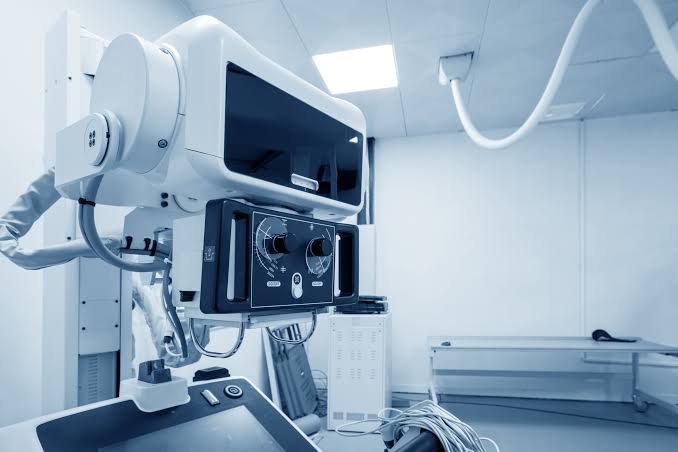
Medical imaging has changed significantly with the move from traditional systems to digital technologies. Hospitals and diagnostic centres now need imaging equipment that can provide clear results, support efficient workflows, and help healthcare professionals make informed decisions. Technologies such as digital flouroscopy, DR imaging, DR radiology solutions, and the digital detector are playing an important role in this transition.
Digital systems can also help reduce manual steps in the imaging process. Images can be viewed, stored, and shared electronically, making it easier for radiology teams to manage patient information and communicate findings.
What Makes Digital Fluoroscopy Useful?
Digital flouroscopy allows healthcare professionals to observe moving images in real time. This can be useful for procedures where understanding movement is important, including gastrointestinal examinations, contrast studies, and certain image-guided procedures.
Modern digital flouroscopy systems are designed to support image quality while helping medical teams maintain an organised workflow. Features such as image processing and digital storage can make examination records easier to access and review.
The Role of DR Imaging
DR imaging has become an important part of modern radiography. Unlike older film-based approaches, digital radiography allows images to be captured electronically and made available on compatible viewing systems.
With DR imaging, radiographers can often review images soon after exposure. This can help identify positioning issues and reduce unnecessary delays. It can also support digital image management across different areas of a healthcare facility.
The growing use of DR imaging is also linked to the need for faster and more organised diagnostic workflows. When systems are properly integrated, medical staff can spend less time handling physical materials and more time focusing on patient care.
Why Digital Detectors Matter
A digital detector is a key component of many modern radiography systems. It captures X-ray information and converts it into a digital image that can be processed and reviewed. The performance of a digital detector can influence image quality, workflow efficiency, and overall usability.
Modern detectors are designed with features that support consistent image acquisition across different examinations. For facilities upgrading their equipment, selecting the right digital detector can therefore be an important consideration.
Building Complete Radiology Workflows
Modern DR radiology solutions go beyond individual equipment. They can include systems and technologies that work together to support image acquisition, processing, viewing, and management.
Well-planned DR radiology solutions can help radiology departments create smoother workflows while maintaining consistent imaging standards. Combining digital flouroscopy, DR imaging, and a reliable digital detector can provide a more connected approach to diagnostic imaging.
Conclusion
Digital imaging is becoming increasingly important for healthcare facilities looking to improve efficiency and support dependable diagnostic services. Technologies such as DR radiology solutions, DR imaging, digital flouroscopy, and the digital detector can contribute to better-connected radiology workflows when selected and implemented appropriately.
The company behind these imaging technologies focuses on developing professional solutions for modern healthcare environments. A reliable imaging partner combines imaging expertise, digital technologies, workflow support, and practical system integration to help radiology departments meet changing clinical and operational requirements.