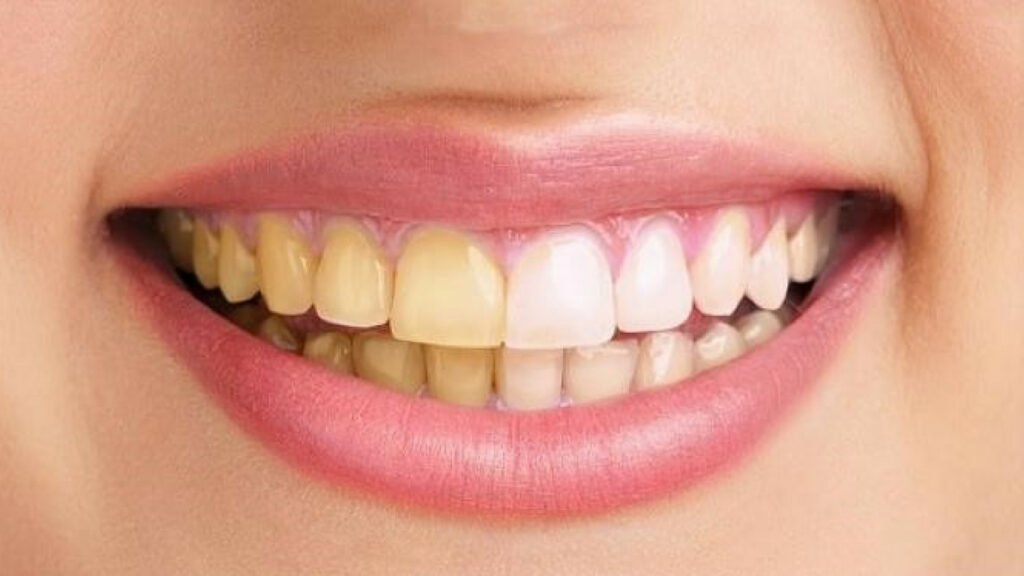
Yellowing teeth from years of chai, coffee, and turmeric-heavy food is something a lot of us deal with, and the market is flooded with whitening products promising instant results. Before spending money on those, it’s worth understanding which natural teeth whitening at home methods are actually backed by some evidence — and which ones can quietly damage your enamel.
Oil Pulling With Coconut Oil
This traditional practice involves swishing coconut oil in your mouth for 10-15 minutes. While it won’t dramatically whiten teeth on its own, it can help reduce plaque buildup, which indirectly supports a brighter appearance over time.
Quick answer: Oil pulling with coconut oil primarily reduces oral bacteria and plaque rather than directly bleaching teeth, making it a supportive habit for oral hygiene rather than a standalone whitening solution.
Baking Soda — Used Correctly
Baking soda has mild abrasive properties that can help remove surface stains. The key word is “mild” — using it daily or scrubbing aggressively can wear down enamel over time.
- Use no more than 2-3 times a week
- Mix with water into a soft paste, don’t use it dry
- Brush gently, never scrub hard
Eating Crunchy Fruits and Vegetables
Apples, carrots, and celery increase saliva production and provide a mild natural scrubbing action while chewing, which helps reduce surface staining gradually.
Avoiding Staining Foods and Drinks (Or Rinsing After)
Tea, coffee, turmeric-based curries, and red wine are common culprits behind staining in Indian diets specifically. Rinsing your mouth with water right after consuming these reduces the staining effect significantly.
Quick answer: Rinsing with plain water immediately after consuming staining foods like tea, coffee, or turmeric-based dishes reduces pigment contact time with enamel, meaningfully lowering long-term staining even without changing your diet.
Hydrogen Peroxide — With Caution
Diluted hydrogen peroxide (the kind found in some over-the-counter whitening products) can help lighten stains, but concentrated or frequent use can irritate gums and damage enamel. This one genuinely needs professional guidance rather than DIY experimentation.
Strawberries and Malic Acid
Mashed strawberries contain malic acid, which some people use as a natural whitening paste. It’s mild and generally safe occasionally, though the effect is subtle compared to professional treatments.
What to Avoid Completely
- Lemon juice applied directly to teeth (too acidic, erodes enamel)
- Charcoal powder used daily (surprisingly abrasive with long-term use)
- Vinegar-based rinses (acidic enough to weaken enamel)
I tried the charcoal trend myself a couple of years ago — teeth felt “cleaner” short-term, but a dentist friend warned me the daily abrasiveness wasn’t worth the risk, and honestly, she was right. [link to related guide on daily oral hygiene routines here]
When Home Methods Aren’t Enough
Natural methods work best for maintaining brightness and mild surface stains — not for deep, years-old discoloration. In those cases, professional whitening treatments remain significantly more effective and safer for enamel.
FAQs
Q1: How long does natural teeth whitening at home take to show results? Mild improvements from consistent methods like oil pulling or crunchy fruit intake typically show over 4-6 weeks, not overnight.
Q2: Is baking soda safe for daily use on teeth? No — limit it to 2-3 times weekly, as daily use can gradually wear down tooth enamel.
Q3: Can natural methods remove deep, old stains? Generally not as effectively as professional whitening treatments, which use stronger, dentist-supervised formulations.
Q4: Does oil pulling actually whiten teeth? It primarily reduces plaque and bacteria rather than directly bleaching teeth, though this can support a cleaner appearance over time.
Q5: Is charcoal toothpaste safe for whitening? Frequent use can be too abrasive for enamel; occasional use in moderation is generally considered lower risk, but daily use isn’t recommended.
Q6: Should I see a dentist before trying home whitening methods? If you have sensitive teeth, gum issues, or cavities, yes — some methods can worsen these conditions.
Conclusion
Natural teeth whitening at home can genuinely help maintain brightness and reduce surface staining, but it’s important to separate the safe, gradual methods from the ones that just damage enamel for a short-term shine. Stick to gentle, consistent habits, avoid the harsh DIY trends, and see a dentist for anything beyond mild staining.