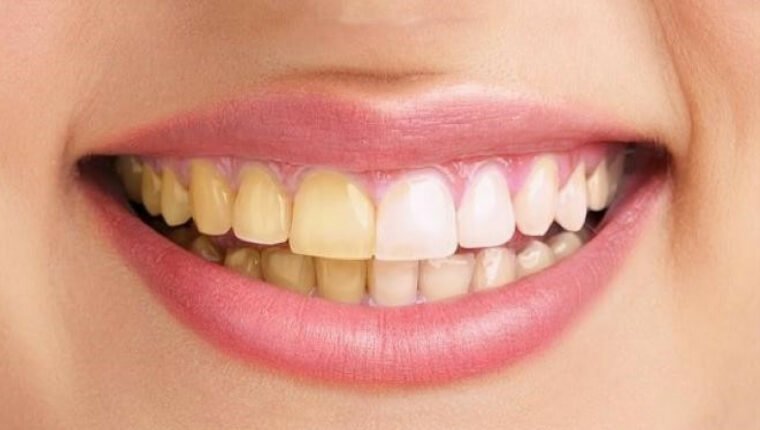
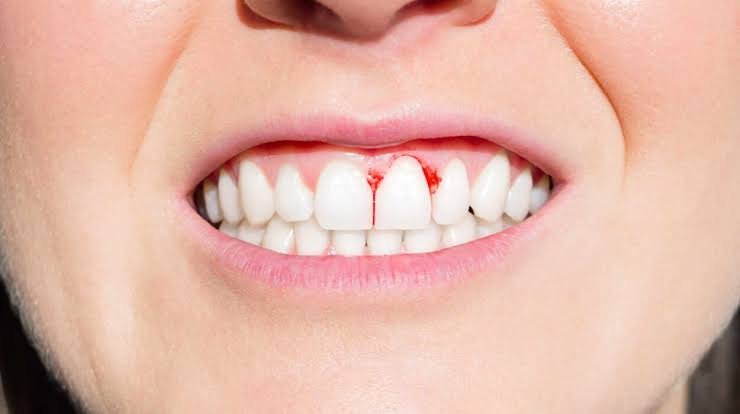
Spitting out pink-tinged foam while brushing isn’t something to just shrug off, even though a lot of people do exactly that. Understanding the actual bleeding gums causes and treatment options can help you catch a minor issue before it becomes a much bigger dental problem.
Gingivitis: The Most Common Cause
The vast majority of bleeding gum cases trace back to gingivitis — inflammation caused by plaque buildup along the gumline. The good news is that it’s usually reversible with proper care.
Quick answer: Gingivitis, caused by plaque buildup at the gumline, accounts for the majority of bleeding gum cases and is typically fully reversible with improved brushing, flossing, and professional cleaning.
Brushing Too Hard or With the Wrong Technique
Ironically, aggressive brushing meant to “clean better” often damages gum tissue instead, causing bleeding and gradual gum recession over time.
- Use a soft-bristled brush, not medium or hard
- Brush in gentle circular motions, not back-and-forth scrubbing
- Replace your toothbrush every 3 months
Not Flossing Regularly
Plaque between teeth that brushing alone can’t reach hardens into tartar, which irritates and inflames the gums. I used to skip flossing constantly, and honestly, my gums bled far less within just two weeks of actually doing it daily.
Hormonal Changes
Pregnancy, menstruation, and menopause can all increase gum sensitivity and bleeding due to hormonal fluctuations affecting blood flow to gum tissue — a fairly well-documented phenomenon, particularly during pregnancy.
Quick answer: Hormonal changes during pregnancy increase blood flow to gum tissue, making gums more sensitive and prone to bleeding — a condition often called “pregnancy gingivitis” that usually resolves after delivery with proper dental care.
Vitamin Deficiencies
Low Vitamin C or Vitamin K levels can weaken gum tissue and affect clotting, making gums bleed more easily even with gentle brushing.
Certain Medications
Blood thinners and some blood pressure medications can increase gum bleeding as a side effect — worth mentioning to your dentist if you’re on any regular medication.
Underlying Health Conditions
In some cases, persistent bleeding gums can be linked to diabetes or, more rarely, blood disorders. This is exactly why gums that bleed consistently despite good oral hygiene deserve a proper checkup, not just better brushing. [link to related guide on diabetes symptoms and management here]
Treatment Options That Actually Work
- Professional dental cleaning to remove tartar buildup
- Switching to a soft-bristled brush and proper technique
- Daily flossing, ideally before bed
- Antiseptic or saltwater mouth rinses for mild inflammation
- Addressing any underlying vitamin deficiency or medical condition
When to See a Dentist Immediately
If bleeding persists for more than a week despite improved hygiene, or comes with swelling, pain, or loose teeth, that’s beyond a home-fix situation and needs professional evaluation.
FAQs
Q1: Is it normal for gums to bleed occasionally while brushing? Occasional very mild bleeding isn’t uncommon, but consistent bleeding over several days is not something to ignore.
Q2: Can bleeding gums heal on their own? Mild gingivitis often improves within 1-2 weeks with consistent proper brushing and flossing, without needing professional treatment.
Q3: Does bleeding gums always mean gum disease? Not always — it can also result from hard brushing, hormonal changes, or vitamin deficiencies, but persistent cases should be checked.
Q4: Should I stop flossing if my gums bleed? No, actually the opposite — consistent gentle flossing typically reduces bleeding within one to two weeks by removing the irritating plaque buildup.
Q5: Can stress cause bleeding gums? Indirectly, yes — stress can weaken immune response and sometimes leads to neglecting oral hygiene, both of which contribute to gum issues.
Q6: How often should I get a professional dental cleaning? Every 6 months is the generally recommended interval for most adults, more frequently if you have existing gum issues.
Conclusion
Bleeding gums are your mouth’s way of asking for a little more attention, not something to just accept as normal. Understanding these bleeding gums causes and treatment options — from brushing technique to underlying health factors — puts you in a much better position to fix it early. If it doesn’t improve within a week or two of better care, book that dentist appointment.