
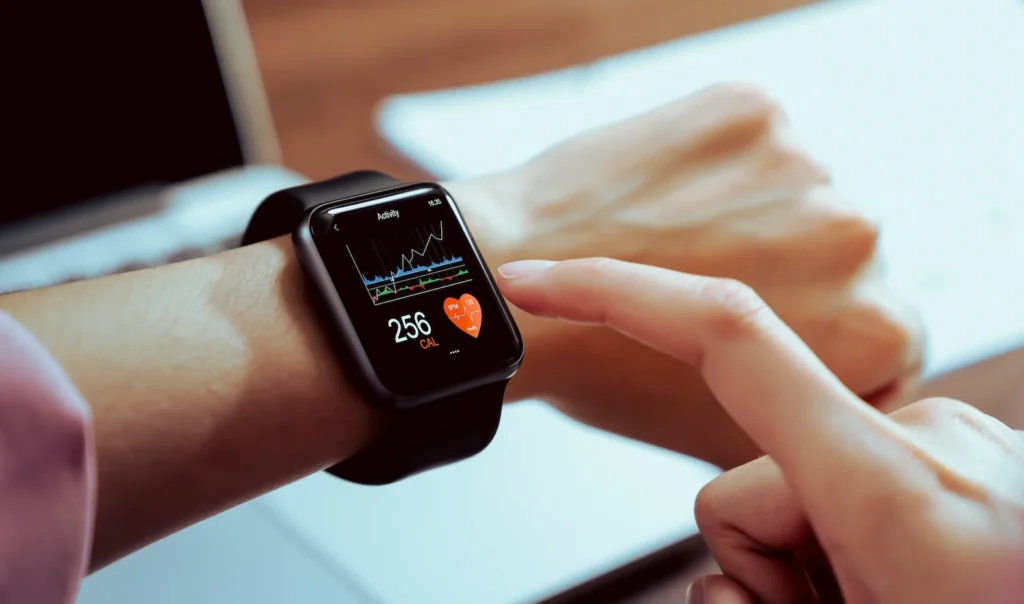
A decade ago, tracking your heart rate meant a visit to a clinic. Now it’s a glance at your wrist. Wearable health technology has quietly become one of the more genuinely useful shifts in personal healthcare, moving tracking from occasional checkups to continuous, everyday awareness.
From Step Counters to Full Health Monitors
Early fitness trackers just counted steps. Today’s devices monitor heart rate variability, blood oxygen levels, sleep stages, and in some cases, even detect irregular heart rhythms — a substantial leap in just a few years.
Quick answer: Modern wearable health technology has evolved from basic step counting to continuous monitoring of heart rate variability, blood oxygen, sleep stages, and irregular heart rhythms, providing a far more comprehensive daily health picture than earlier devices offered.
Heart Health Monitoring
Several smartwatches now include ECG functionality capable of detecting signs of atrial fibrillation, a heart rhythm irregularity that can otherwise go unnoticed until it causes a more serious event.
- Continuous heart rate tracking throughout the day
- ECG readings available on-demand on several devices
- Alerts for unusually high or low resting heart rate
Sleep Tracking and Its Real-World Value
Wearables tracking sleep stages (light, deep, REM) provide insight that used to require a formal sleep study. While not as precise as clinical equipment, the trend data over weeks genuinely helps identify patterns worth addressing.
Continuous Glucose Monitoring
Originally designed for diabetics, continuous glucose monitors (CGMs) are increasingly used by non-diabetics too, offering real-time insight into how specific foods affect individual blood sugar responses.
Quick answer: Continuous glucose monitors, once used almost exclusively by diabetics, are increasingly adopted by health-conscious individuals to understand personal blood sugar responses to specific foods in real time, something a standard annual blood test could never reveal.
Stress and Recovery Tracking
Some advanced wearables now estimate stress levels through heart rate variability patterns, helping users notice accumulated stress before it manifests as more obvious symptoms.
Early Detection Potential
There’s growing interest in wearables’ potential for early detection of conditions like sleep apnea or irregular heart rhythms — catching issues earlier than they might otherwise be noticed, purely through passive, everyday monitoring.
Limitations Worth Understanding
- Consumer wearables aren’t medical-grade diagnostic devices
- Data accuracy can vary between brands and models
- Overreliance on numbers can sometimes increase anxiety rather than reduce it
- Should complement, not replace, regular medical checkups [link to related guide on preventive health checkups here]
Choosing the Right Device for Your Needs
Not everyone needs every feature — someone focused on fitness might prioritize different metrics than someone managing a specific health condition. Matching the device to your actual goals matters more than simply choosing the most expensive option.
The Future Direction of Wearable Health Tech
Continued miniaturization and improved accuracy suggest wearables will likely play an increasingly integrated role alongside traditional healthcare, particularly for chronic condition management and early detection.
FAQs
Q1: Are wearable health devices accurate enough to replace medical tests? No, they’re useful for trend tracking and awareness, but shouldn’t replace proper medical diagnostic testing.
Q2: Can smartwatches actually detect heart problems? Some can flag irregular rhythms like atrial fibrillation, prompting further medical evaluation, though they don’t provide a definitive diagnosis on their own.
Q3: Is continuous glucose monitoring useful for non-diabetics? Many find it insightful for understanding personal food responses, though it’s not medically necessary without a diagnosed condition.
Q4: How accurate is sleep tracking on wearables? Generally reasonable for trend data over time, though less precise than clinical sleep studies for detailed diagnosis.
Q5: Do I need to share wearable health data with my doctor? It can be genuinely useful supplementary information, especially for patterns like heart rate irregularities or sleep disruption.
Q6: Can wearable technology help manage chronic conditions? Yes, particularly for conditions like diabetes and heart disease, where continuous monitoring provides valuable ongoing data.
Conclusion
Wearable health technology has moved well beyond counting steps into genuinely meaningful health monitoring territory. Used thoughtfully, alongside regular medical care rather than as a replacement for it, these devices offer a level of daily health awareness that simply wasn’t accessible to most people even a decade ago.