
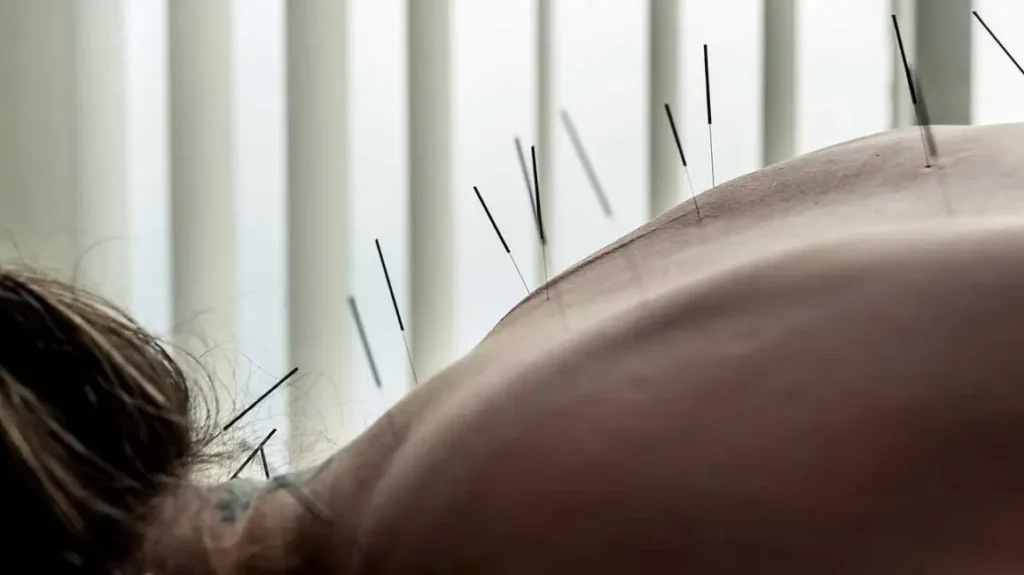
Thin needles inserted at specific points on the body sound unusual if you’ve never tried it, and the skepticism around it is completely understandable. So, does acupuncture work, or is it purely placebo? The honest answer sits somewhere in a more nuanced middle ground than either extreme suggests.
What Acupuncture Actually Involves
Rooted in Traditional Chinese Medicine, acupuncture involves inserting very thin needles at specific points believed to correspond with energy pathways, or “meridians,” in the body — a concept that predates modern anatomical understanding by centuries.
Quick answer: Acupuncture involves inserting thin needles at specific body points, traditionally believed to influence energy flow along meridians, and modern research suggests it may work partly through stimulating nerve endings and triggering natural pain-relieving responses.
What Research Says About Pain Relief
Several clinical studies, including some published in respected medical journals, have found acupuncture provides genuine benefit for certain types of chronic pain — particularly lower back pain, osteoarthritis, and migraines — beyond what’s typically attributed to placebo alone.
- Chronic lower back pain shows some of the strongest evidence
- Migraine frequency reduction has been documented in multiple studies
- Osteoarthritis-related knee pain shows moderate supporting evidence
The Placebo Question
Some studies comparing real acupuncture to “sham” acupuncture (needles placed at random, non-traditional points) find smaller differences than expected — suggesting part of the benefit may indeed involve placebo response, alongside genuine physiological effects.
Quick answer: Studies comparing real acupuncture to sham acupuncture sometimes show smaller-than-expected differences, suggesting that while genuine physiological mechanisms likely exist, placebo response also contributes meaningfully to some reported benefits.
Possible Physiological Mechanisms
Needle insertion may stimulate the release of endorphins and affect nerve signaling pathways, potentially explaining some pain-relief effects independent of the traditional meridian theory behind the practice.
What Acupuncture Isn’t Well-Supported For
Evidence is considerably weaker or inconsistent for using acupuncture to treat conditions like infertility, allergies, or as a primary cancer treatment support — claims in these areas should be approached with more skepticism.
Is Acupuncture Safe?
When performed by a properly trained, licensed practitioner using sterile needles, acupuncture is generally considered safe with a low risk of serious side effects, though minor bruising or soreness at needle sites is common.
Who Might Benefit From Trying It
People dealing with chronic pain conditions who haven’t found sufficient relief through standard treatment, or those looking for a complementary approach alongside conventional medical care, are often reasonable candidates to consider trying it. [link to related guide on managing chronic pain naturally here]
Setting Realistic Expectations
Acupuncture works best as a complementary approach for specific conditions like pain management, not as a replacement for necessary conventional medical treatment for serious or acute health conditions.
Choosing a Qualified Practitioner
Verifying proper licensing and training matters significantly here — improperly performed acupuncture, while rare, carries risks that a properly trained practitioner would avoid entirely.
FAQs
Q1: Does acupuncture hurt? Most people report minimal discomfort, often described as a slight pinch or tingling sensation rather than significant pain.
Q2: How many sessions are typically needed to see results? This varies by condition, but many practitioners recommend an initial series of 6-10 sessions to assess effectiveness.
Q3: Is acupuncture covered by health insurance in India? Coverage varies significantly by insurance provider; it’s best to check directly with your specific insurer.
Q4: Can acupuncture help with stress and anxiety? Some studies suggest mild benefit for stress-related symptoms, though evidence is less robust than for chronic pain conditions specifically.
Q5: Is acupuncture safe during pregnancy? Certain points are avoided during pregnancy; always inform your practitioner and consult your doctor before starting.
Q6: Can acupuncture replace my current pain medication? It should be considered complementary rather than a replacement — discuss any changes to medication with your doctor first.
Conclusion
So, does acupuncture work? For certain conditions, particularly chronic pain and migraines, the evidence genuinely supports some real benefit beyond placebo — though the full picture remains more nuanced than either enthusiastic supporters or complete skeptics often suggest. If you’re considering it, approach it as a complementary option, and choose a properly licensed practitioner.